MED SECURE is the ARMORISK program for hospitals and medical facilities. Its core service is IPM-based pest control, supported by limited fumigation when needed and inspection of support equipment by PJK3 Inspection & Testing.
Why we created this program
Healthcare facilities look after the most vulnerable people. Pests such as rats, cockroaches, and flies can carry infection risks, while control products must be safe for patients and staff. Careless or undocumented pest control is a risk in itself. MED SECURE was created so pest control is measured, sensitive to clinical activity, and audit-ready.
- Pests in clinical areas, kitchens, and waste handling that risk contaminating clean areas.
- Exposure of patients, staff, and visitors to control products.
- Round-the-clock services that limit when work can be done.
- The need for clear documentation for audits and quality assessments.
Who it is for
- Hospitals.
- Clinics and other medical facilities.
- Laboratories and pharmacies.
Benefits for you
- A more hygienic environment. Control based on inspection and sanitation improvements, not just spraying.
- Safer for patients. Non-chemical methods come first. Chemicals are used in measured amounts and in line with regulations.
- Minimal disruption. Schedules and work areas are coordinated with facility management.
- Audit-ready. Legal and digital documentation and regular reports available when needed.
- One door. Pest control, special treatment when needed, and support equipment inspection coordinated together.
- Compliance support. Education and consultation help your team understand the applicable rules.
Our principle. In areas occupied by patients, non-chemical methods come first. Every action is recorded, and every finding is followed up.
The role of each service
| Service | Role |
|---|---|
| Pest Control & Rodent Control | Core service: inspection, risk zone mapping, IPM, monitoring, and sanitation recommendations that respect clinical activity. |
| Fumigation (limited) | Used only in limited cases, for example logistics warehouses or certain materials, when needed after assessment and in line with regulations. |
| PJK3 Inspection & Testing | Inspection and testing of facility support equipment within the appointment scope, for the safety of patients and staff. |
Potential hazards and how we control them
| Hazard | Impact | Control |
|---|---|---|
| Pests in clinical areas, kitchens, and waste | Contamination of clean areas and risk of disease transmission | Inspection-based IPM, sealing entry routes, sanitation, and regular monitoring |
| Exposure of patients and staff to control products | Health harm to vulnerable groups | Appropriate product and timing choices, area marking, re-entry intervals, access control |
| Fumigation in the wrong space or without assessment | Gas exposure in occupied areas | Fumigation only when needed, with safe zones, gas monitoring, and verification before use |
| Unfit facility support equipment | Service disruption and workplace accidents | Inspection and testing within scope, with follow-up of findings |
How we work
- Consultation and facility survey, including risk zone mapping.
- Work plan and quotation with a schedule that respects clinical activity.
- IPM, Rodent Control, and Termite Control as needed.
- Inspection and testing of relevant support equipment.
- Reporting of findings and sanitation recommendations.
- Regular monitoring and trend evaluation.
Documentation and compliance
- Visit reports and monitoring point maps.
- Records of products and methods used.
- Equipment inspection and testing reports.
- Digital archive ready for audits.
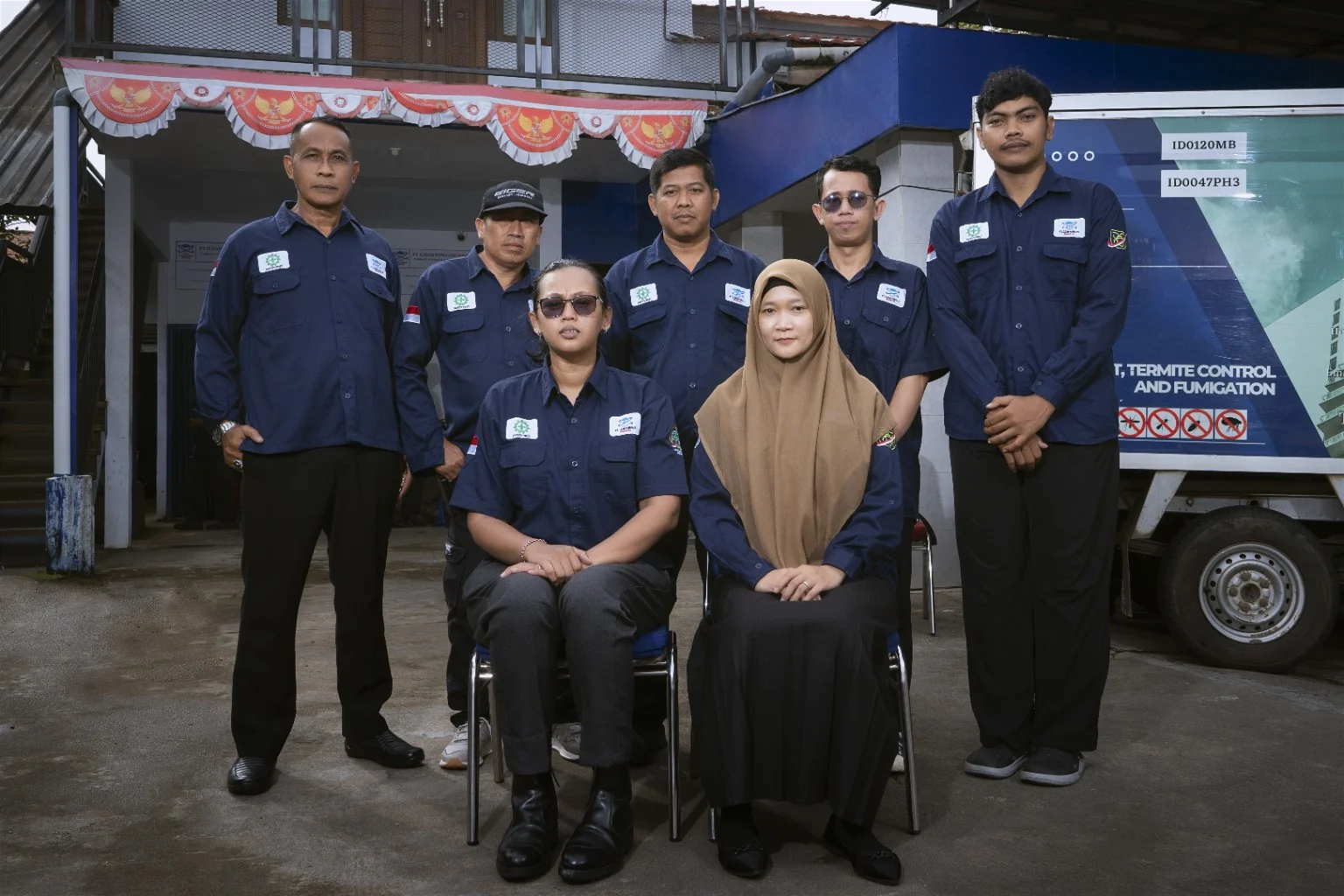
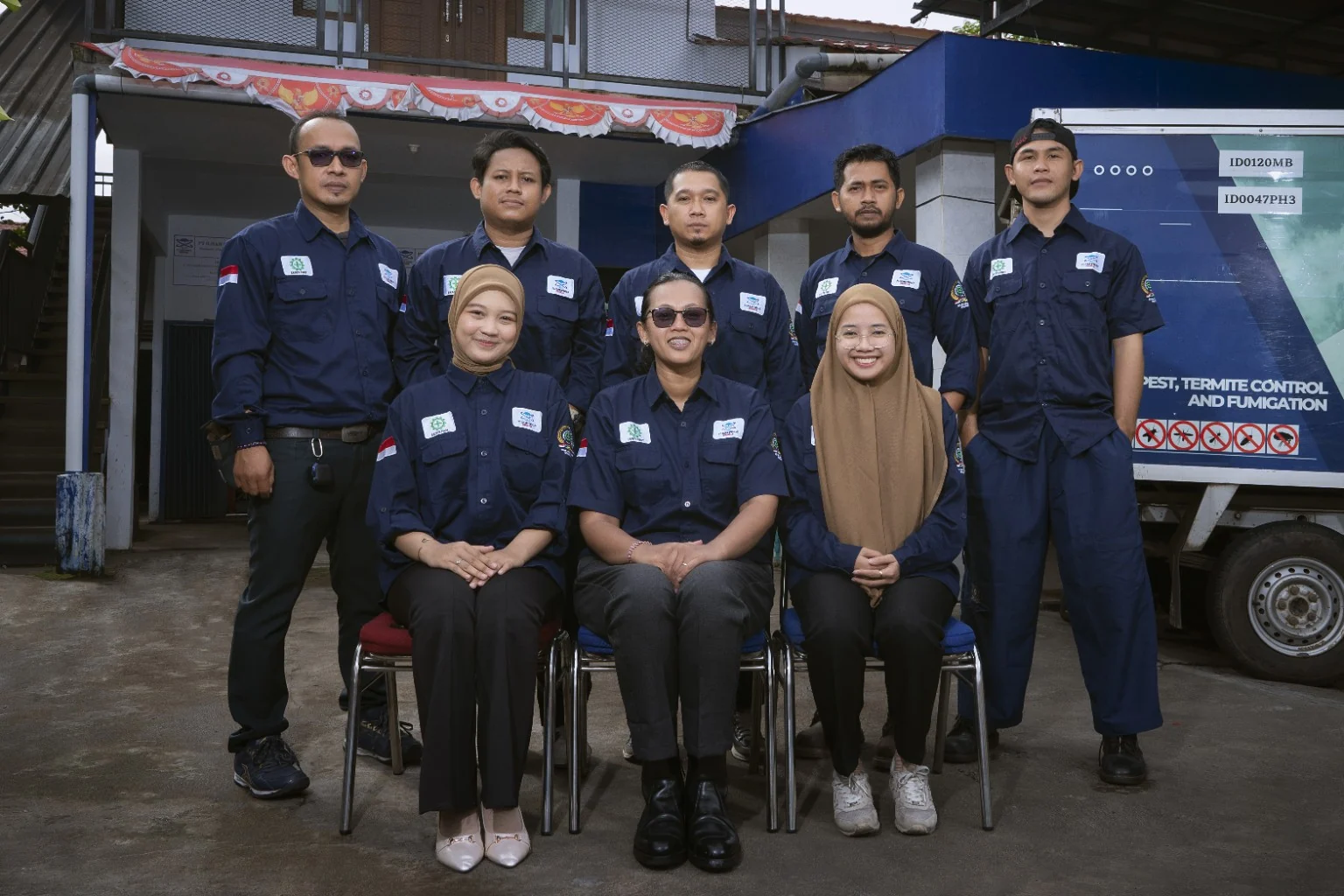
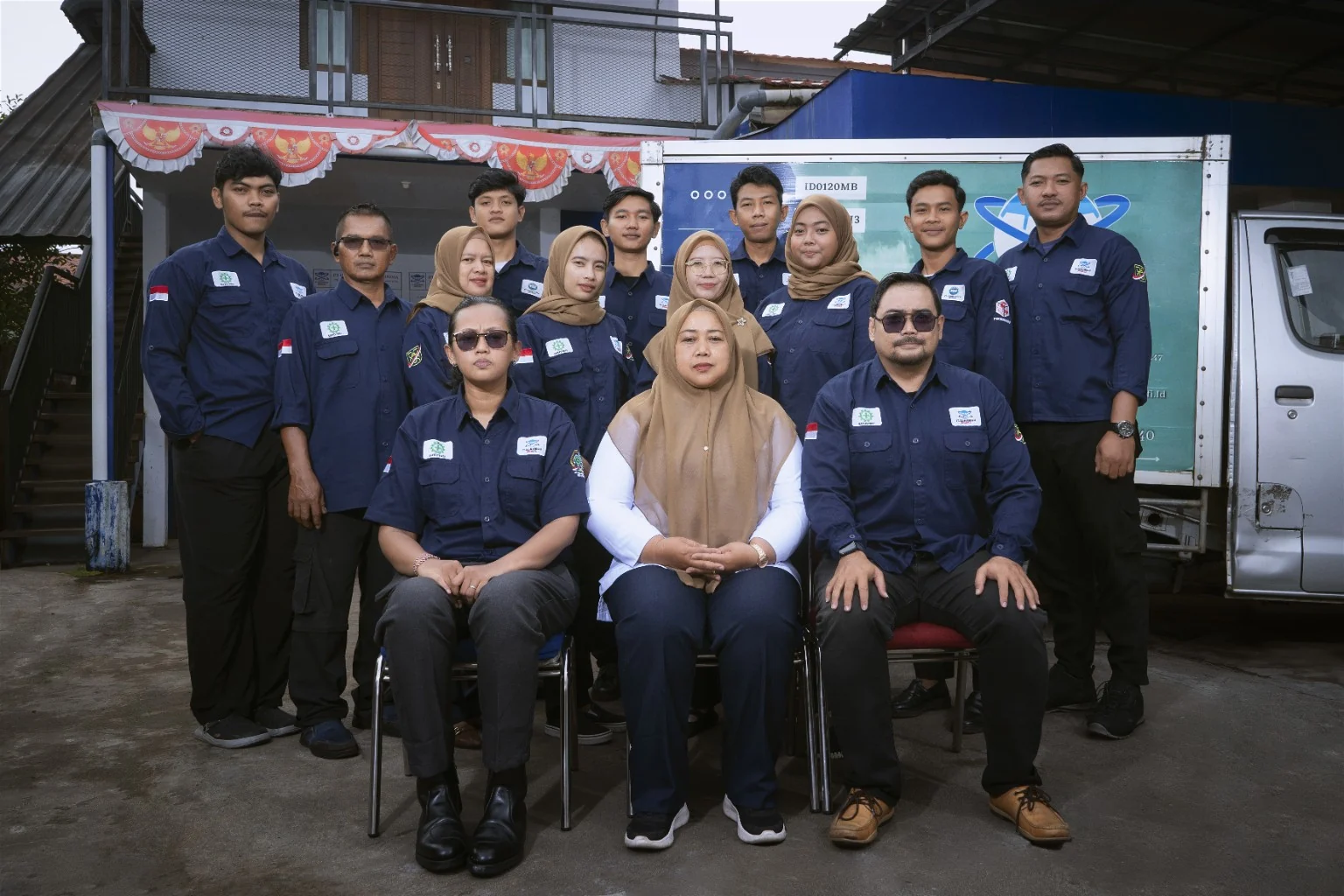
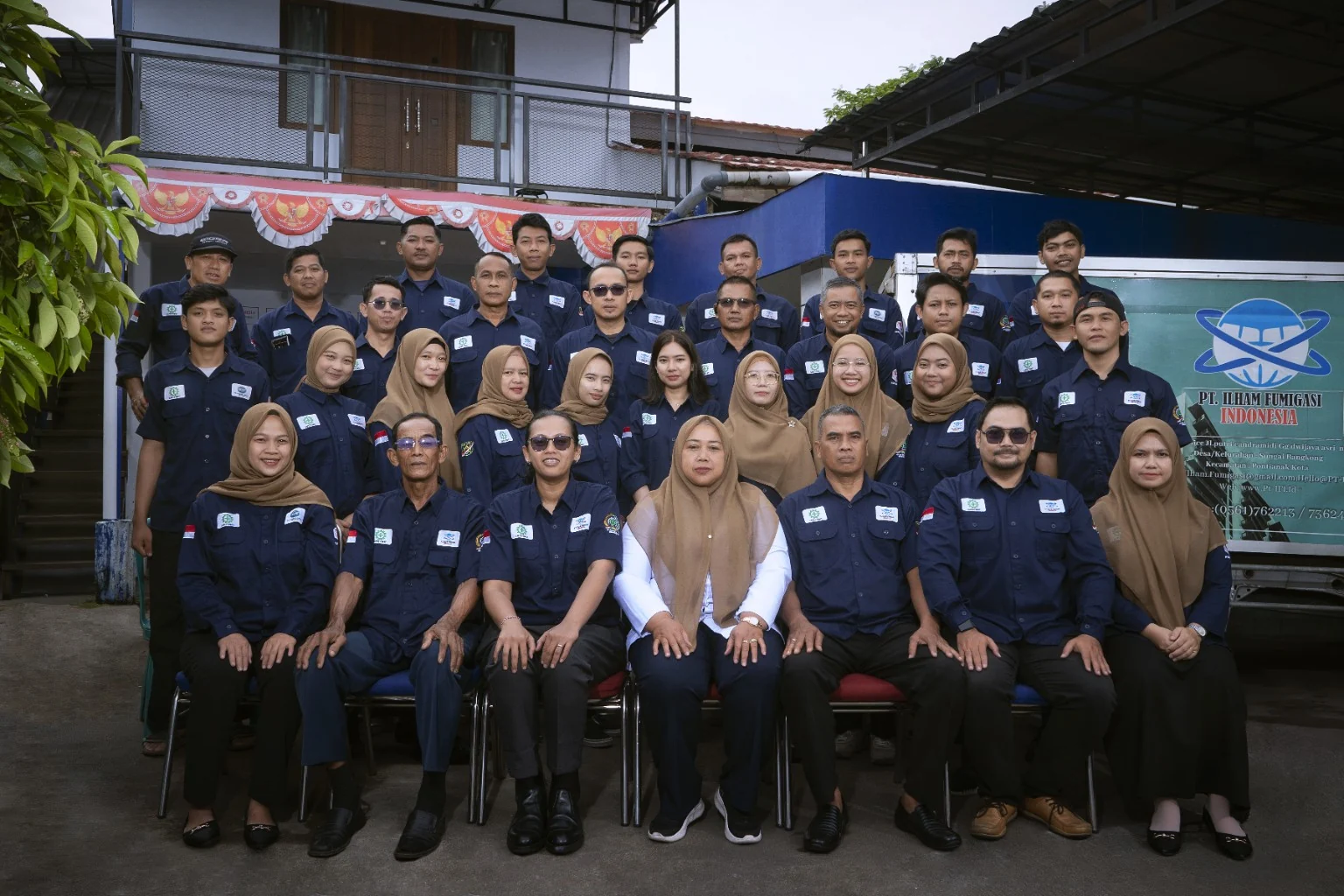
Field documentation
Ways to work with us
- Service packages. Services are packaged by facility size and zone risk level.
- Recurring contracts. Monthly or annual, with a fixed schedule and one field supervisor.
- Regular reporting. Work results, findings, and recommendations are reported regularly and can be tracked digitally.
- Support. A risk consultation at the start, after-sales service, and compliance education via webinars or WhatsApp.
- Training (optional). OHS and HACCP training and workshops for your team.
Frequently asked questions
Is it safe while patients are being treated?
Work is scheduled and coordinated with facility management. In occupied patient areas, non-chemical methods come first and areas are marked according to procedure.
Is fumigation done routinely in hospitals?
No. Fumigation is only used for specific needs after assessment, and in line with regulations.
Are regular reports provided?
Yes. Work results, findings, and recommendations are reported regularly.
Work in clinical areas is coordinated with facility management and follows applicable regulations. Inspection & Testing objects follow PT IFI’s official appointment.