Why conveyances need sanitation
Ships, aircraft, and vehicles move between regions and countries. Rats, mosquitoes, or germs on board can carry disease to the destination port and city. That is why port health officers inspect conveyances and may require sanitation measures before issuing sanitation documents. Fast, correct sanitation keeps your operating schedule on track.
Which do you need?
| Your situation | What you need |
|---|---|
| The ship sanitation certificate (SSCEC/SSCC) is about to expire | Inspection and, if needed, sanitation measures before renewal by port health officers. |
| Officers find rats or signs of rats on the ship | Deratting, which means eliminating rats on the ship. |
| Many mosquitoes, flies, or cockroaches on a ship, aircraft, or vehicle | Disinsection. |
| The conveyance needs to be cleared of germs, for example after carrying sick people | Disinfection. |
| The cargo or goods are what need fumigation | Not this service. Choose Plant Quarantine Treatment. |
The risks of leaving it
Ship sanitation certificate not issued
Under IHR 2005, ship sanitation certificates (SSCEC/SSCC) are valid for up to six months. Without a valid certificate, a ship may be re-inspected and required to undergo sanitation measures.
Delayed schedules
Every day a ship is held in port means berthing costs, fuel, and delayed deliveries.
Health of crew and passengers
Rats and insects in accommodation and galley areas carry disease to crew and passengers.
Damaged cargo and supplies
Rats and insects damage food, supplies, and cargo during the voyage.
At a glance
| Ad hoc handling | Sanitation by PT IFI | |
|---|---|---|
| Provider status | Not necessarily licensed | Verified Standard Certificate from the Ministry of Health |
| Coordination | Handled on your own | Coordinated with port health officers |
| Timing | Prone to delaying departure | Matched to berthing or parking schedules |
| Proof | None | Report of the sanitation measures carried out |
Purpose of sanitation
Conveyances can carry rats, insects, and disease agents from one region to another. Conveyance sanitation prevents the spread of vectors and diseases that endanger people, in line with health quarantine regulations.
Types of measures
Fumigation or deratting
Eliminates rats on conveyances, especially in ship holds and accommodation.
Disinsection
Eliminates insect vectors such as mosquitoes, flies, and cockroaches.
Disinfection
Eliminates disease agents on surfaces and in spaces of the conveyance.
What we serve
| Conveyance | Main areas | Typical measures |
|---|---|---|
| Ships | Holds, accommodation, galley, provision stores | Fumigation or deratting, disinsection, disinfection |
| Aircraft | Passenger cabin, cargo hold | Disinsection, disinfection |
| Land transport | Buses, trucks, and cargo vehicles | Disinsection, disinfection |
How it works
- Confirm the type of conveyance, location, and berthing or parking schedule.
- Coordinate with the health quarantine officers.
- Inspect the condition and decide the measures.
- Carry out the work with safety procedures.
- Verify the results and prepare the report.
Ship sanitation documents such as the SSCEC or SSCC are issued by the Port Health Quarantine Office. PT IFI’s report serves as the basis for supervision and for issuing those documents.
What to prepare
- Ships: ship name, flag, IMO number, size (GT), port, berthing schedule, agent name, and the latest sanitation certificate if available.
- Aircraft: aircraft type and registration, airport, and schedule.
- Land transport: vehicle type, number of units, and location.
When to contact us
- Your ship sanitation certificate is about to expire.
- Officers find signs of rats or insects during an inspection.
- The ship is arriving from an area with an outbreak of infectious disease.
- Your aircraft or land transport fleet needs disinsection or disinfection.
Why choose PT IFI
Licensed by the Ministry of Health
A verified Standard Certificate for conveyance sanitation.
Experienced in port work
Ship fumigation, deratting, and disinsection are routine work for our team.
Working to your schedule
The work is arranged around ship berthing or vehicle parking schedules.
Clear reports
The report of measures carried out supports supervision and the issuing of documents by officers.
Regulations and standards
- The WHO International Health Regulations (IHR) 2005 govern ship sanitation certificates (SSCEC and SSCC), valid for up to six months.
- Law No. 17 of 2023 on Health governs health quarantine at points of entry, including supervision of conveyances.
- Minister of Health Regulation No. 40 of 2015 governs ship sanitation certificates.
- PT IFI holds a verified Standard Certificate from the Ministry of Health for conveyance sanitation.
Common terms
- SSCEC (Ship Sanitation Control Exemption Certificate): certifies that a ship is free of health risks, with no measures needed.
- SSCC (Ship Sanitation Control Certificate): issued after sanitation measures have been carried out.
- Deratting: eliminating rats on a conveyance.
- Disinsection: eliminating disease-carrying insects such as mosquitoes, flies, and cockroaches.
- Disinfection: eliminating disease germs on surfaces and in spaces.
- Port Health Office (Balai Kekarantinaan Kesehatan): the Ministry of Health unit at ports and airports that supervises conveyance health and issues sanitation documents.
Frequently asked questions
What is the difference between an SSCEC and an SSCC?
An SSCEC (Ship Sanitation Control Exemption Certificate) is issued when a ship is found free of health risks. An SSCC (Ship Sanitation Control Certificate) is issued after sanitation measures have been carried out because a risk was found.
How long does the ship have to stop?
It depends on the type of measure and the size of the ship. Disinsection and disinfection are relatively quick, while fumigation needs exposure and aeration time. We give you an estimate before the work starts.
Can aircraft and land transport be served too?
Yes. Our services include disinsection and disinfection for aircraft and land transport. Contact us to confirm the location and schedule.
Send us the ship name or vehicle type, location, and berthing schedule through the quote form. Our team will coordinate and prepare the work.
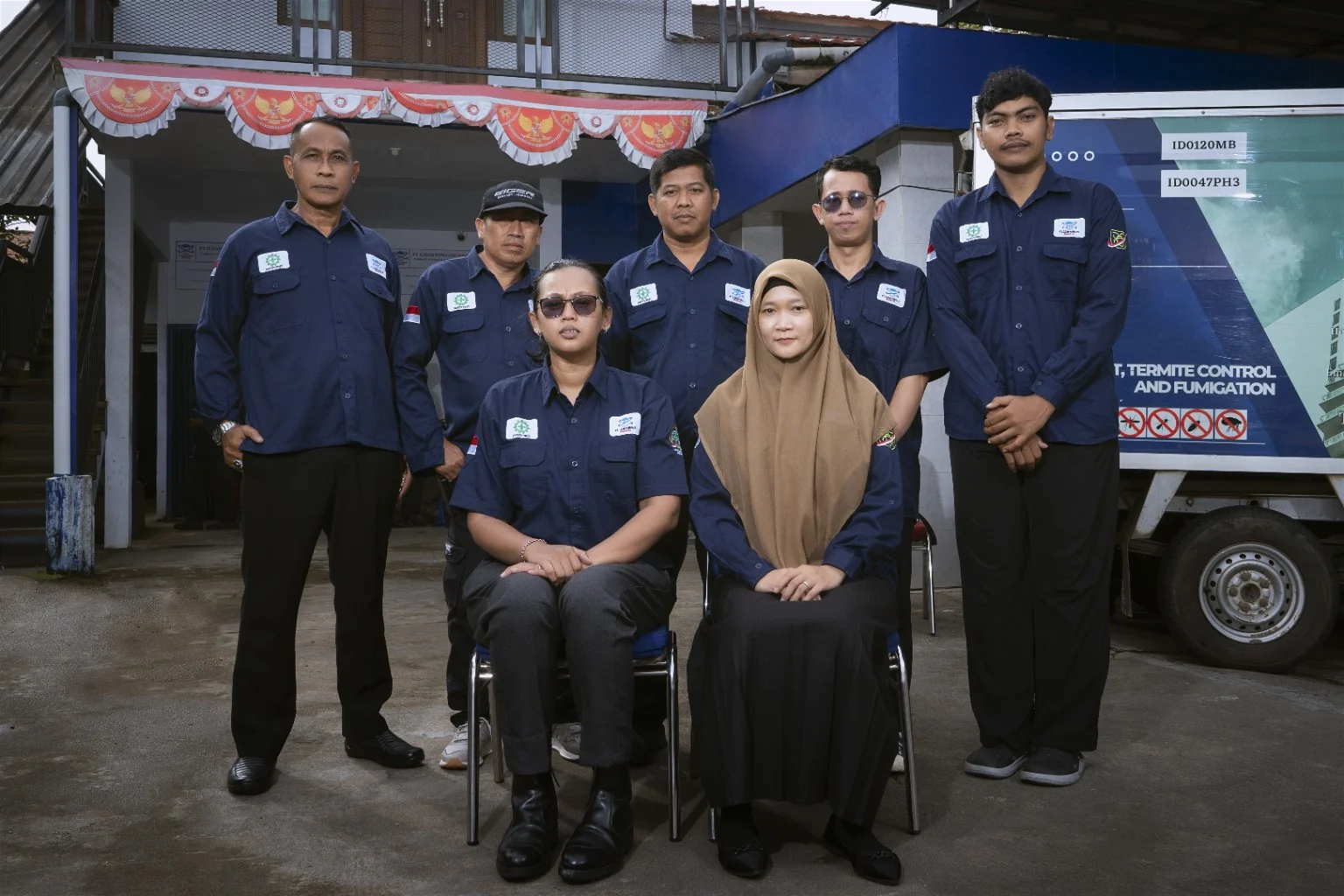
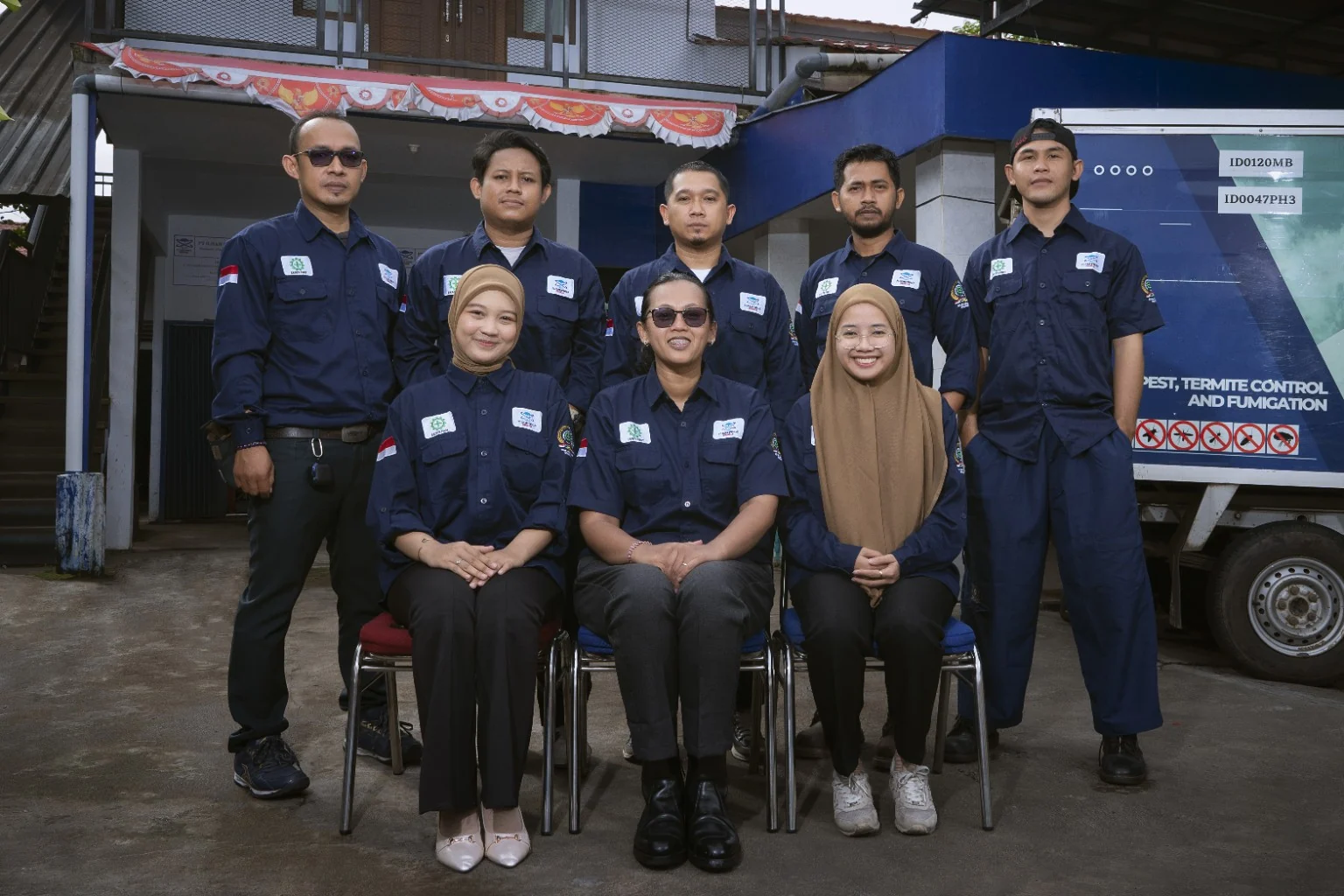
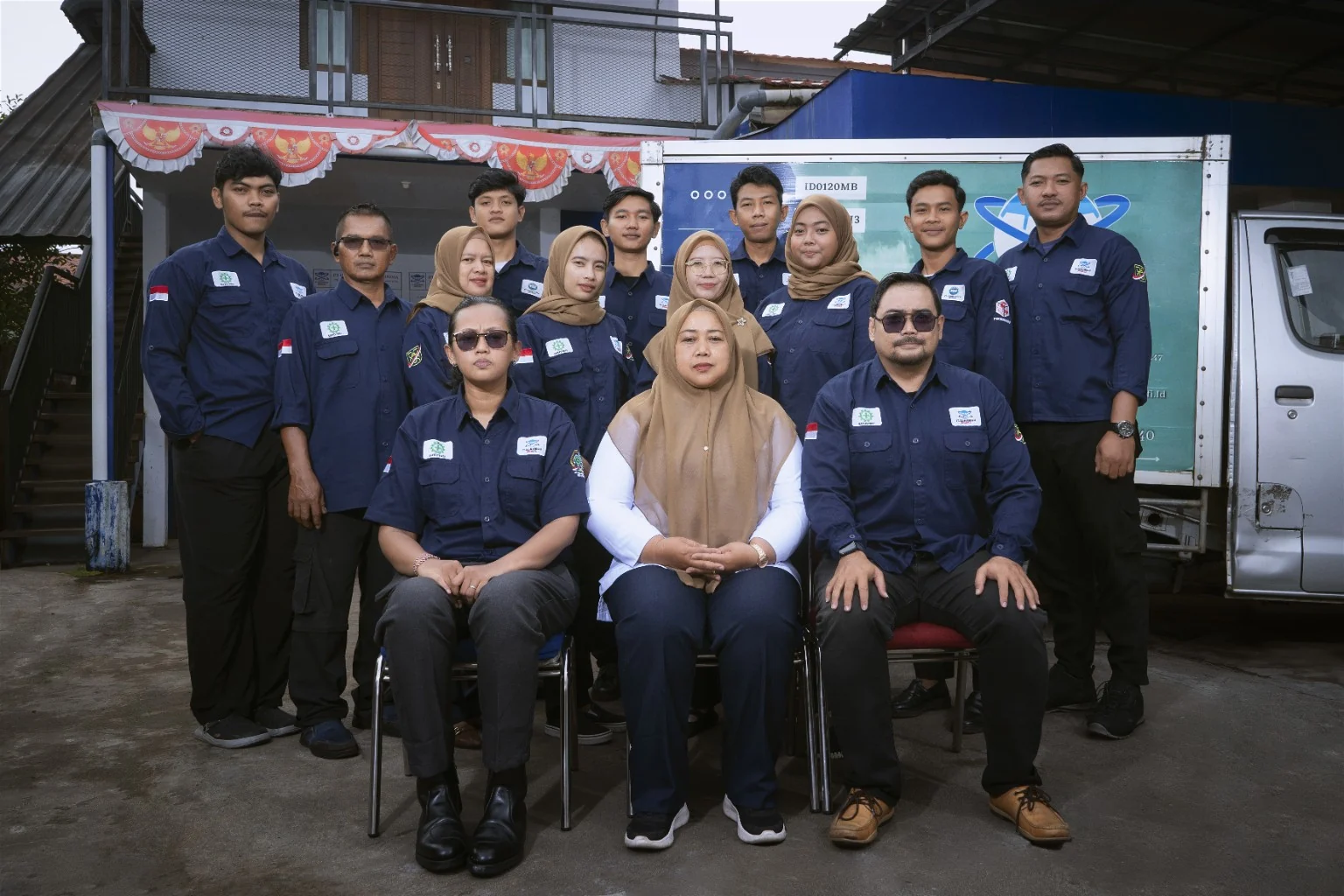
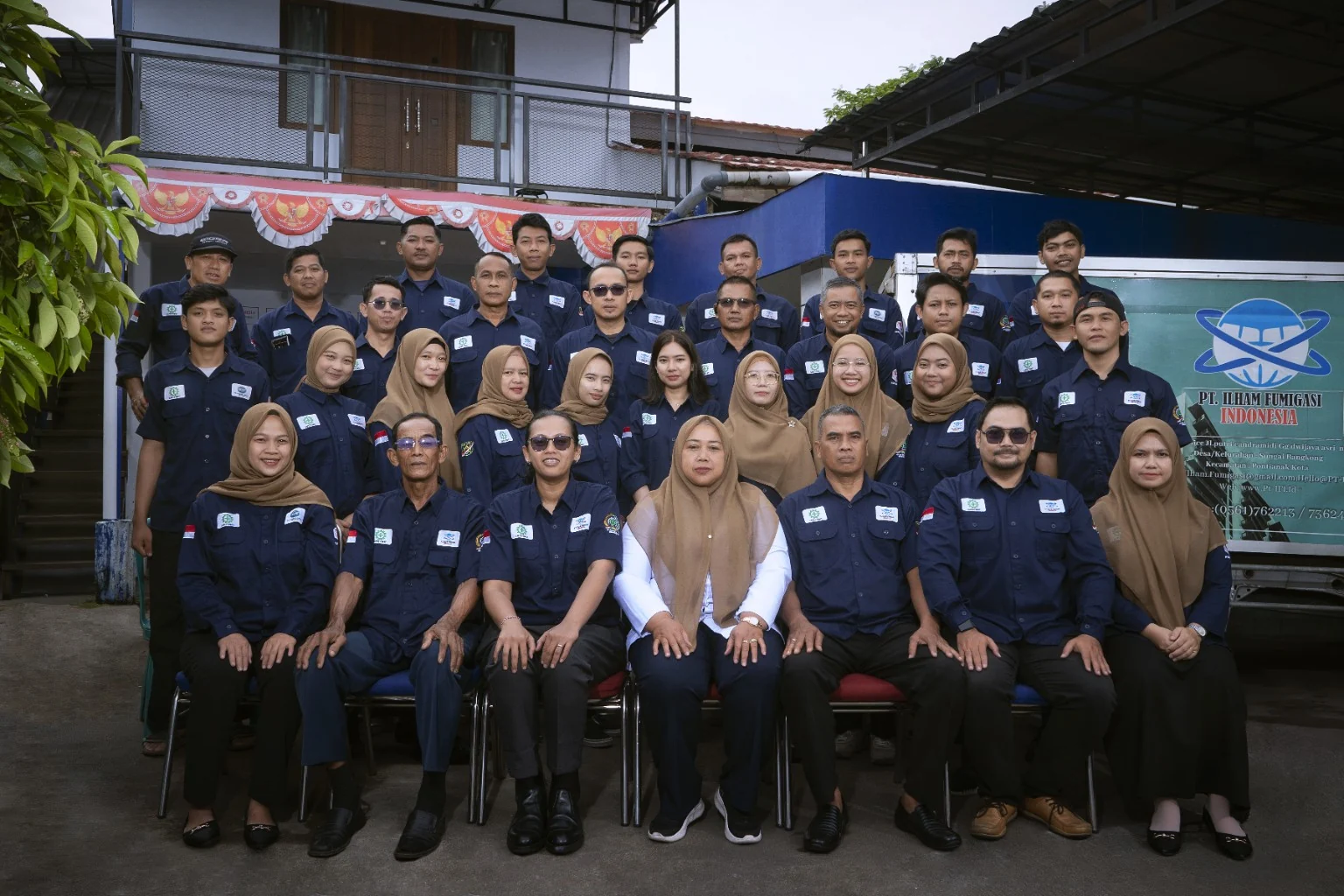
Field documentation